
Intro
You may also enjoy:
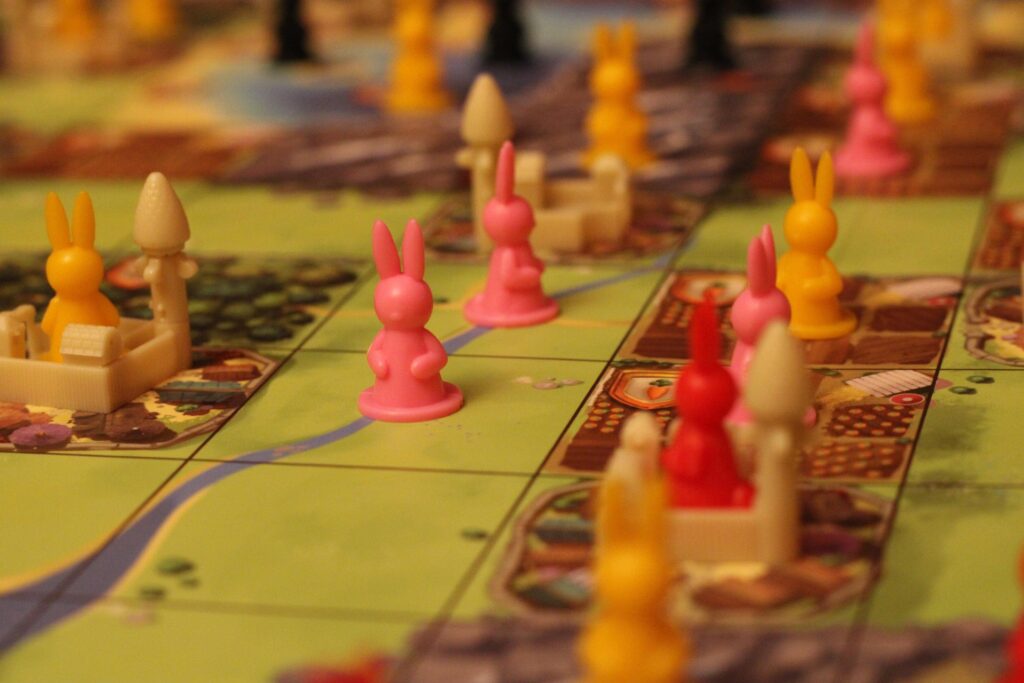
Strategy games are games that require players to plan ahead, make decisions, and think carefully about their moves. Success often depends on long-term planning rather than luck. Many people enjoy strategy games as a hobby because they challenge the mind and reward thoughtful problem-solving.
What Are Strategy Games?
Strategy games are games where players must make decisions that affect the outcome of the game over time.
Unlike games based mainly on chance, strategy games emphasize planning, tactics, and anticipating an opponent’s moves.
Strategy games often involve:
• managing resources
• controlling territory
• planning several moves ahead
• adapting to changing situations
Many board games, card games, and tabletop games include strategic elements.
Who Is This Hobby Good For?
Strategy games appeal to many types of players.
They are especially good for:
• people who enjoy mental challenges
• puzzle and logic enthusiasts
• players who enjoy planning and tactics
• hobbyists who like competitive games
• people interested in thoughtful gameplay
Many players enjoy studying strategies and improving their skills over time.
Hobby Difficulty Scale
⭐⭐ Moderate
The basic rules of many strategy games are easy to learn, but strong play requires practice.
What Do You Need to Get Started?
Strategy games vary widely, but most require a game set and players.
Most beginners start with:
• a strategy board game
• a group of players
Some strategy games can also be played by two players.
Tools & Materials
Tools
• game board or playing surface
Materials
• game pieces or tokens
• cards or markers depending on the game
All materials are typically included with the game.
How Much Does It Cost to Start?
Strategy games vary in price depending on complexity.
Typical beginner costs:
Low cost: $15–$30
Moderate: $30–$60 for larger strategy games
Many games can be played repeatedly with different outcomes.
How Long Does It Take to Learn?
Learning strategy games depends on the game rules.
Simple strategy games: 20–30 minutes to learn
More complex games: longer learning time
Players often develop stronger strategies after several games.
Common Beginner Mistakes
Some common beginner mistakes include:
• focusing only on short-term moves
• ignoring the actions of other players
• spreading resources too thinly
• overlooking long-term goals
Strategic thinking improves with practice and experience.
Are There Safety Concerns?
Strategy games are generally very safe.
The main challenge is intellectual rather than physical.
What Is the Best Setting for This Hobby?
Strategy games are often played in social settings.
Common places include:
• homes
• game clubs
• community centers
• hobby stores
Many people enjoy regular game nights with friends or family.
How Old Should You Be?
Strategy games can be enjoyed by many ages.
Children: simple strategy games
Teenagers: more complex planning games
Adults: advanced strategy games
Many games are designed for different age groups.
What Is the History of Strategy Games?
Strategy games have existed for centuries in many cultures. Ancient board games often involved planning, territory control, and tactical decisions.
Today strategy games remain popular in tabletop gaming communities.
Why People Love Strategy Games
People enjoy strategy games for many reasons.
• intellectual challenge
• competitive gameplay
• thoughtful decision-making
• social interaction
Many players enjoy improving their strategies and mastering new games.
Tips for Beginners
• think ahead before making moves
• watch what other players are doing
• focus on long-term goals
• learn from each game played
Practice helps develop stronger strategic thinking.
Conclusion
Strategy games challenge players to plan, think ahead, and adapt to changing situations. With practice and thoughtful play, beginners can develop strong strategic skills and enjoy many different games.
You might enjoy: