
Intro
You may also enjoy:
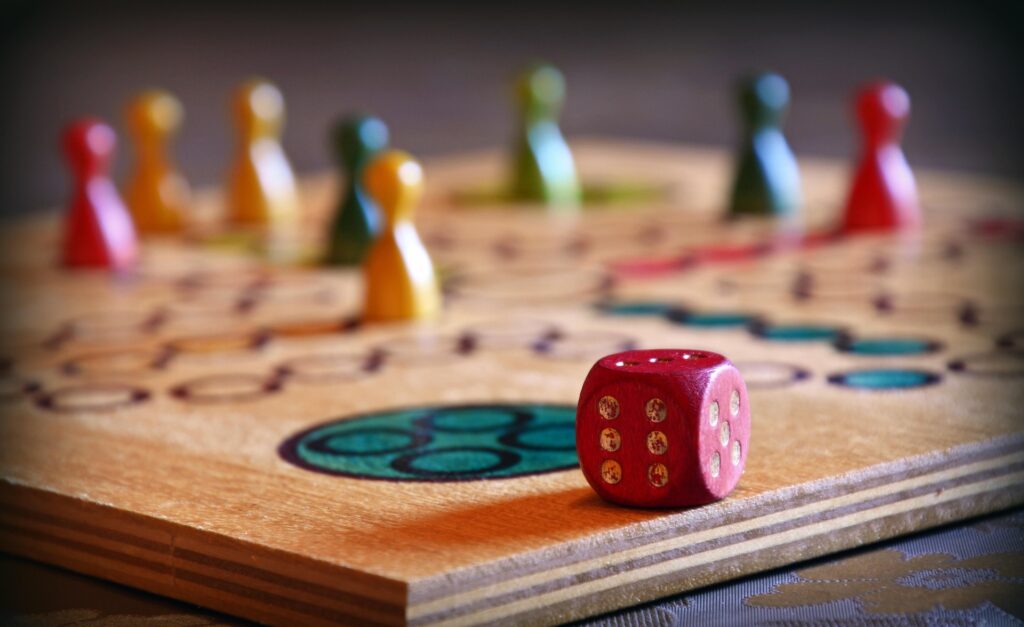
Board games are tabletop games played using a board, pieces, cards, or tokens. Players follow a set of rules while competing or cooperating to reach a goal. Many people enjoy board games as a hobby because they combine strategy, social interaction, and fun challenges.
What Are Board Games?
Board games are games played on a tabletop board where players move pieces or make decisions according to specific rules.
Different board games involve different styles of play, including:
• strategy
• chance
• problem-solving
• cooperation
• competition
Some board games focus on planning and tactics, while others emphasize social interaction and fun.
Examples of well-known board games include games involving movement around a board, resource management, or solving puzzles.
Who Is This Hobby Good For?
Board games appeal to many different people.
They are especially good for:
• families and friends
• people who enjoy strategic thinking
• hobbyists who like social games
• puzzle enthusiasts
• people who enjoy friendly competition
Many players enjoy learning new games and exploring different strategies.
Hobby Difficulty Scale
⭐ Easy
Many board games are beginner-friendly and easy to learn.
What Do You Need to Get Started?
Board games require only a few materials.
Most beginners start with:
• a board game set
• players to participate
Each game includes its own pieces, cards, and rules.
Tools & Materials
Tools
• game board
Materials
• game pieces or tokens
• cards or dice (depending on the game)
All materials are usually included in the game box.
How Much Does It Cost to Start?
Board games vary in price depending on the complexity of the game.
Typical beginner costs:
Low cost: $10–$25
Moderate: $30–$60 for larger or more complex games
Many games can be played repeatedly for years.
How Long Does It Take to Learn?
Learning a board game depends on its rules.
Simple games: 10–15 minutes to learn
Moderate games: 30–60 minutes to learn
Players often improve their strategies through repeated play.
Common Beginner Mistakes
Some common beginner mistakes include:
• ignoring the rules during the first game
• focusing only on winning instead of learning the game
• overlooking strategic opportunities
• forgetting special actions or abilities
Playing a few rounds helps players understand the game mechanics.
Are There Safety Concerns?
Board games are generally very safe.
Small pieces should be kept away from very young children.
What Is the Best Setting for This Hobby?
Board games are usually played in comfortable indoor spaces.
Common settings include:
• homes
• game nights with friends
• community centers
• cafés or hobby shops
Many players enjoy gathering regularly to play games.
How Old Should You Be?
Board games exist for many age groups.
Children: simple family games
Teenagers: strategy and party games
Adults: complex strategy games
Many families play board games together across generations.
What Is the History of Board Games?
Board games have existed for thousands of years. Ancient civilizations played early games using stones, boards, and simple rules. Over time, board games evolved into many different forms of entertainment and strategy.
Today thousands of different board games are played worldwide.
Why People Love Board Games
People enjoy board games for many reasons.
• social interaction
• strategic thinking
• fun competition
• shared experiences
Many players enjoy discovering new games and improving their strategies.
Tips for Beginners
• start with simple games
• learn the rules carefully
• play several rounds to understand strategy
• focus on enjoying the experience
Playing regularly helps players improve and explore different game styles.
Conclusion
Board games are a fun and social hobby that bring people together through strategy and play. With countless games available, beginners can easily find games that match their interests.
You might enjoy: