
Intro
You may also enjoy:
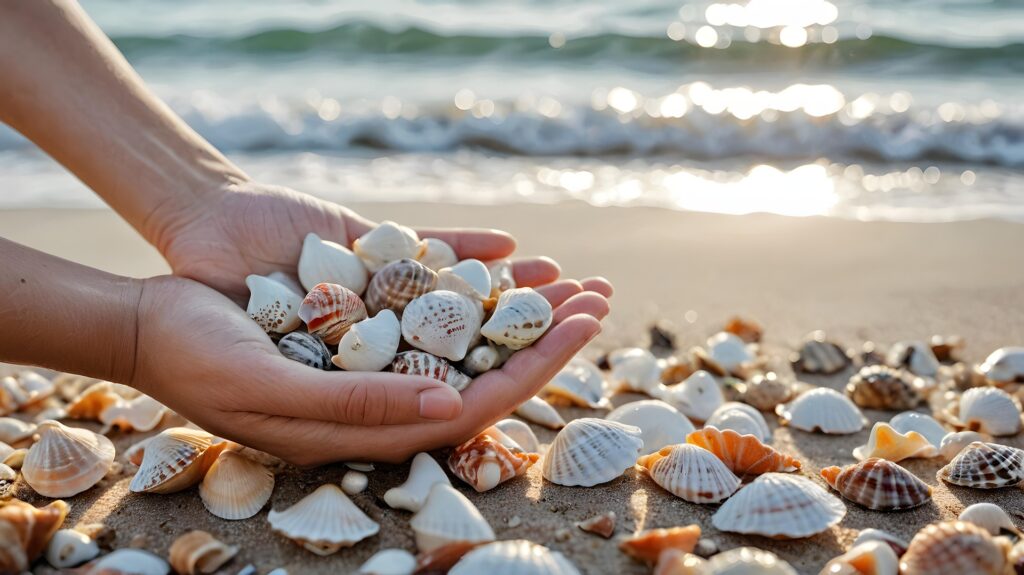
Seashell collecting is the hobby of gathering and preserving shells from marine animals found along beaches and coastal areas. Many people enjoy collecting seashells because they come in a wide variety of shapes, colors, and patterns. This hobby combines nature exploration with building beautiful collections.
What Is Seashell Collecting?
Seashell collecting involves searching for and gathering shells left behind by marine animals such as mollusks.
Common shells collected include:
• clam shells
• scallop shells
• conch shells
• snail shells
• spiral shells
Collectors often enjoy learning about the animals that created the shells and the environments where they lived.
Some collectors focus on specific types of shells or shells from particular locations.
Who Is This Hobby Good For?
Seashell collecting appeals to many different people.
It is especially good for:
• beach visitors and travelers
• nature enthusiasts
• collectors who enjoy natural objects
• families exploring coastal areas
• hobbyists interested in marine life
Many people enjoy the relaxing experience of searching for shells along the shoreline.
Hobby Difficulty Scale
⭐ Easy
Anyone can begin seashell collecting with little preparation.
What Do You Need to Get Started?
Seashell collecting requires very few supplies.
Most beginners start with:
• a small bag or container
• basic knowledge of beach areas where shells can be found
Many collectors simply gather shells while walking along beaches.
Tools & Materials
Tools
• small container or bag
• brush for cleaning shells
Materials
• collected seashells
• storage boxes or display containers
Some collectors label shells with information about where they were found.
How Much Does It Cost to Start?
Seashell collecting is usually very inexpensive.
Typical beginner costs:
Low cost: free to $10
Moderate: $10–$30 for storage containers and display cases
Most shells can be found naturally on beaches.
How Long Does It Take to Learn?
Learning about seashells develops gradually.
Basic collecting: immediate
Identifying shell types: weeks or months of observation
Many collectors enjoy learning about marine biology as they build their collections.
Common Beginner Mistakes
Some common beginner mistakes include:
• collecting shells that still contain living animals
• not cleaning shells properly
• storing shells where they may break
• ignoring local collection rules
Responsible collecting helps protect marine environments.
Are There Safety Concerns?
Seashell collecting is generally safe, but collectors should be aware of their surroundings.
Important considerations include:
• avoiding dangerous waves or tides
• wearing appropriate footwear on rocky beaches
• handling sharp shells carefully
What Is the Best Setting for This Hobby?
Seashell collecting is usually done in coastal environments.
Common locations include:
• ocean beaches
• coastal shorelines
• tidal pools
Many collectors enjoy exploring different beaches to find unique shells.
How Old Should You Be?
Seashell collecting can be enjoyed by people of many ages.
Children often enjoy collecting colorful shells, while adults may develop more specialized collections.
What Is the History of Seashell Collecting?
People have collected seashells for centuries because of their beauty and variety. In the past, shells were sometimes used as decorations, jewelry, or even currency in some cultures.
Today seashell collecting remains a popular hobby for beach visitors and nature lovers.
Why People Love Seashell Collecting
People enjoy seashell collecting for many reasons.
• exploring beaches
• discovering unique shells
• learning about marine life
• building natural collections
Many collectors enjoy remembering the places where they found their shells.
Tips for Beginners
• collect empty shells only
• rinse shells with fresh water
• store shells carefully
• label shells with their location
Exploring different beaches often reveals new types of shells.
Conclusion
Seashell collecting is a relaxing hobby that combines beach exploration with building beautiful natural collections. With curiosity and care for the environment, beginners can enjoy discovering shells along the shoreline.
You might enjoy: