
Intro
You may also enjoy:
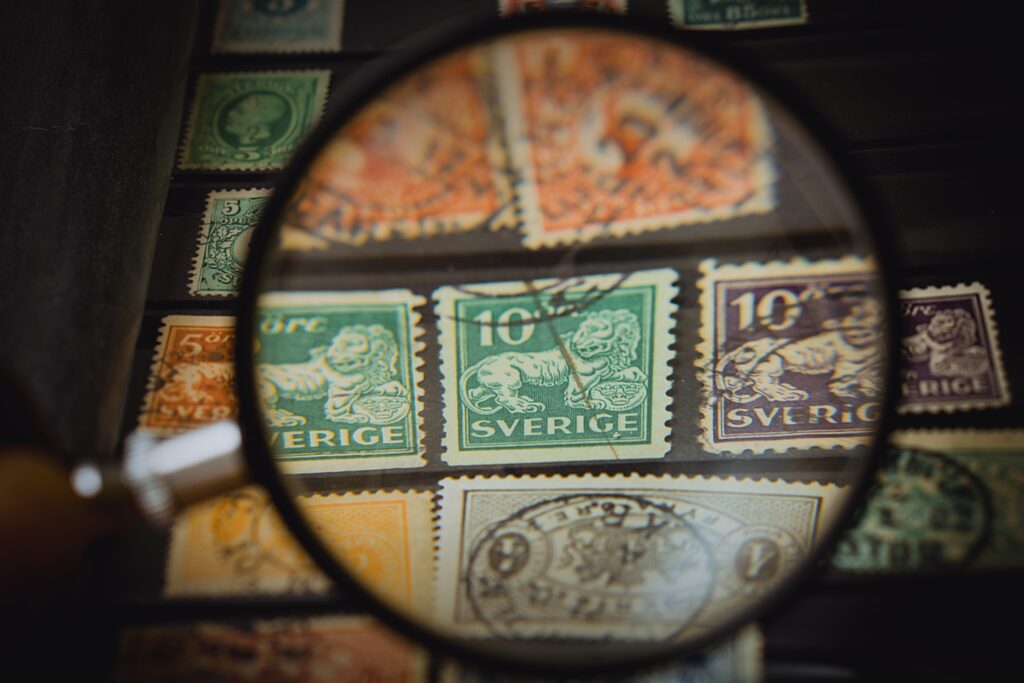
Stamp collecting is the hobby of gathering and studying postage stamps from different countries and time periods. Many collectors enjoy stamps because they often feature historical events, famous people, animals, and artwork. Stamp collecting combines history, art, and organization in a relaxing hobby.
What Is Stamp Collecting?
Stamp collecting involves collecting and preserving postage stamps used for mailing letters and packages.
Collectors may focus on:
• stamps from specific countries
• stamps from certain historical periods
• themed stamps such as animals or famous people
• rare or unusual stamps
The study of stamps is called philately.
Many collectors enjoy learning about the stories and history behind different stamps.
Who Is This Hobby Good For?
Stamp collecting appeals to many types of people.
It is especially good for:
• people interested in history and culture
• collectors who enjoy organizing small items
• hobbyists interested in world travel and geography
• people who enjoy research and learning
Many collectors enjoy exploring stamps from different parts of the world.
Hobby Difficulty Scale
⭐ Easy
Stamp collecting is very beginner-friendly and easy to start.
What Do You Need to Get Started?
Stamp collecting can begin with very simple materials.
Most beginners start with:
• used postage stamps
• stamp albums or storage books
• small envelopes or holders
Many collectors begin by saving stamps from letters they receive.
Tools & Materials
Tools
• stamp tongs (special tweezers)
• magnifying glass
Materials
• stamp albums or stock books
• stamp hinges or mounts
These materials help preserve stamps safely.
How Much Does It Cost to Start?
Stamp collecting can be very affordable.
Typical beginner costs:
Low cost: free to $20 if collecting used stamps
Moderate: $20–$50 for albums and supplies
More advanced collectors may purchase rare stamps.
How Long Does It Take to Learn?
Learning the basics of stamp collecting can happen quickly.
Basic sorting and identification: a few hours
Developing knowledge about stamps: ongoing learning
Many collectors enjoy researching the history behind stamps.
Common Beginner Mistakes
Some common beginner mistakes include:
• handling stamps with fingers instead of stamp tongs
• storing stamps in humid environments
• not organizing stamps properly
• trimming stamps incorrectly
Careful storage helps protect collections.
Are There Safety Concerns?
Stamp collecting is a very safe hobby.
The main consideration is protecting stamps from damage.
What Is the Best Setting for This Hobby?
Stamp collecting is usually done indoors.
Common settings include:
• organizing stamps at home
• visiting stamp clubs or shows
• researching stamps in books or guides
Many collectors enjoy quiet time organizing their collections.
How Old Should You Be?
Stamp collecting can be enjoyed by people of many ages.
Children: simple stamp collections
Teenagers: themed or international stamps
Adults: specialized collections
Many collectors begin stamp collecting when they are young.
What Is the History of Stamp Collecting?
Stamp collecting began soon after the first postage stamps were introduced in the 19th century. As stamps became widely used, people began saving and organizing them.
Over time, stamp collecting developed into a worldwide hobby.
Why People Love Stamp Collecting
People enjoy stamp collecting for many reasons.
• learning about history and culture
• exploring stamps from different countries
• building organized collections
• discovering unique stamp designs
Many collectors enjoy the artistic designs found on stamps.
Tips for Beginners
• start with stamps from letters you receive
• organize stamps by country or theme
• use proper storage materials
• research stamps to learn their history
Patience helps build interesting stamp collections.
Conclusion
Stamp collecting is a relaxing hobby that connects collectors with history, art, and cultures around the world. With simple tools and curiosity, beginners can build collections that grow over time.
You might enjoy: