
Intro
You may also enjoy:
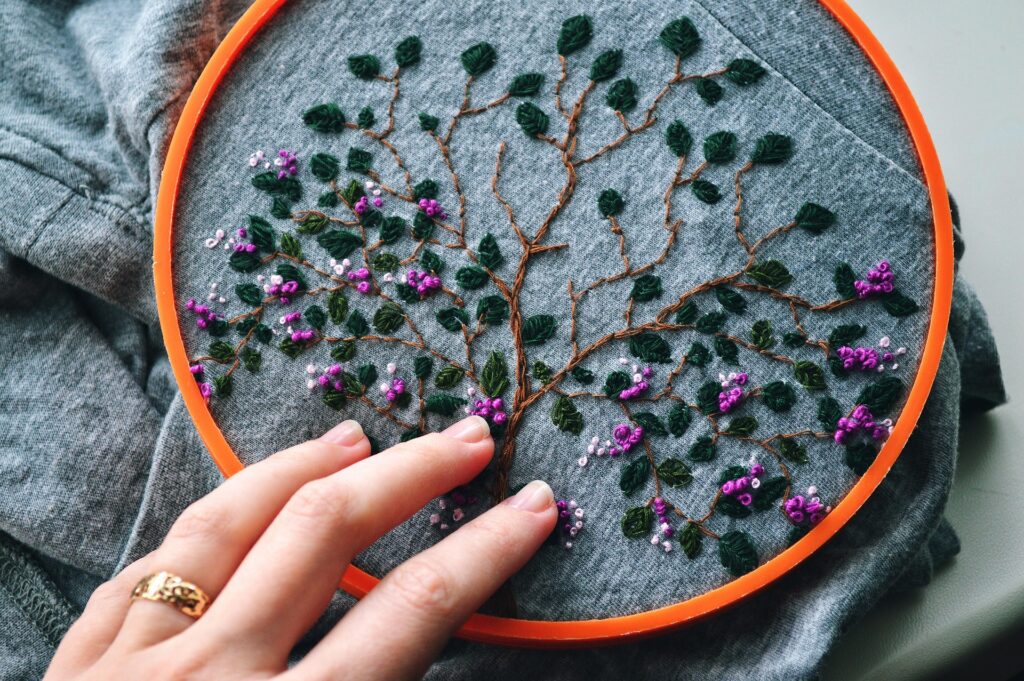
Embroidery is the art of decorating fabric using needle and thread. Designs are created by stitching patterns, shapes, or images directly onto cloth. Many people enjoy embroidery as a hobby because it combines creativity with relaxing, hands-on work and produces beautiful handmade pieces.
What Is Embroidery?
Embroidery is a textile craft where decorative stitches are sewn onto fabric to create designs.
Embroidery can include:
• floral patterns
• decorative lettering
• geometric designs
• pictures or scenes
Different stitches create different textures and effects. Some embroidery projects are simple patterns, while others can be detailed and complex.
Embroidery has been practiced for centuries in cultures around the world.
Who Is This Hobby Good For?
Embroidery is a hobby that appeals to many people.
It is especially good for:
• people who enjoy needle crafts
• creative hobbyists
• people who like slow, relaxing activities
• beginners interested in textile arts
• crafters who enjoy handmade decorations
Many people find embroidery calming and satisfying.
Hobby Difficulty Scale
⭐⭐ Moderate
The basic stitches are easy to learn, but detailed designs take practice.
What Do You Need to Get Started?
Embroidery requires only a few basic supplies.
Most beginners start with:
• fabric
• embroidery thread (often called floss)
• embroidery needle
• embroidery hoop
Many beginner kits include everything needed for the first project.
Tools & Materials
Tools
• embroidery needle
• embroidery hoop
• scissors
Materials
• fabric (cotton or linen is common)
• embroidery floss
Patterns or designs can be transferred onto fabric before stitching.
How Much Does It Cost to Start?
Embroidery is a relatively inexpensive hobby.
Typical beginner costs:
Low cost: $10–$20
Moderate: $20–$40 for kits and supplies
Many people start with simple kits that include all the materials.
How Long Does It Take to Learn?
Basic stitches can be learned quickly.
Learning basic stitches: about 1–2 hours
Simple project: several hours
More complex designs: longer depending on detail
Practice helps improve stitching consistency and precision.
Common Beginner Mistakes
Some common beginner mistakes include:
• pulling stitches too tightly
• using thread lengths that are too long
• skipping the embroidery hoop
• not securing stitches properly
Taking time with each stitch helps produce better results.
Are There Safety Concerns?
Embroidery is generally very safe.
The main safety consideration is handling needles carefully and storing them safely.
What Is the Best Setting for This Hobby?
Embroidery works well in many environments.
Common settings include:
• relaxing at home
• crafting groups
• travel or quiet evenings
Many people enjoy embroidery while listening to music or audiobooks.
How Old Should You Be?
Embroidery can be enjoyed by many ages.
Children: simple beginner projects with supervision
Teenagers: more detailed patterns
Adults: embroidery of any complexity
Many people learn embroidery through beginner kits.
What Is the History of Embroidery?
Embroidery has existed for thousands of years and has appeared in many cultures around the world. Historically it was used to decorate clothing, household items, and ceremonial textiles.
Today embroidery remains a popular craft for both decorative and artistic purposes.
Why People Love Embroidery
People enjoy embroidery for many reasons.
• relaxing handwork
• creative expression
• beautiful handmade results
• connection to traditional crafts
Many hobbyists enjoy building collections of stitched designs.
Tips for Beginners
• start with simple patterns
• practice basic stitches first
• keep thread lengths manageable
• use an embroidery hoop for even tension
Patience and practice help develop strong stitching skills.
Conclusion
Embroidery is a creative textile hobby that allows people to decorate fabric with colorful stitched designs. With simple tools and practice, beginners can create beautiful handmade projects.
You might enjoy: