
Intro
You may also enjoy:
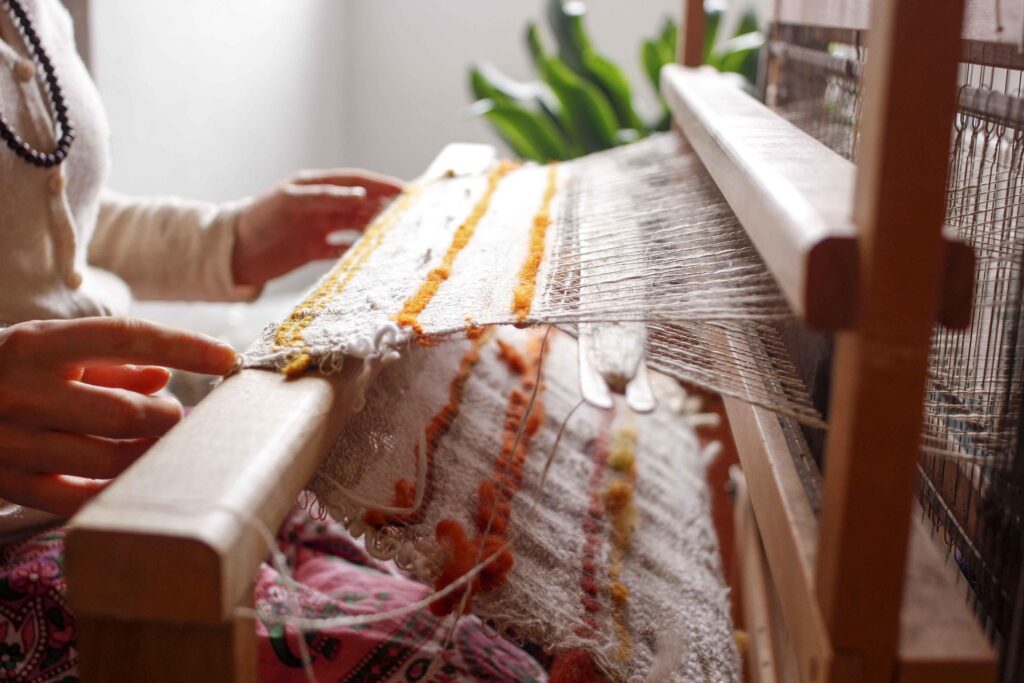
Weaving is a fiber art where threads are interlaced to create fabric. It is one of the oldest textile techniques in human history and is still practiced today as both a traditional craft and a creative hobby. Many people enjoy weaving because it combines simple repetitive motions with beautiful and practical results.
What Is Weaving?
Weaving is the process of crossing two sets of threads at right angles to form fabric.
The vertical threads are called the warp, and the horizontal threads are called the weft. By passing the weft threads over and under the warp threads, a woven structure is created.
Weaving can be done on many types of looms, ranging from small handheld looms to large floor looms.
Common woven projects include:
• scarves
• rugs
• blankets
• wall hangings
• fabric for clothing
Different weaving patterns create different textures and designs.
Who Is This Hobby Good For?
Weaving appeals to many types of hobbyists.
It is especially good for:
• people who enjoy fiber arts
• creative hobbyists
• people who enjoy working with yarn or thread
• people who like structured craft processes
• people interested in traditional crafts
Many weavers find the repetitive process calming and satisfying.
Hobby Difficulty Scale
⭐⭐ Moderate
Basic weaving techniques are easy to learn, but more complex patterns and larger looms require practice.
What Do You Need to Get Started?
Beginners can start weaving with only a few basic supplies.
Most beginners start with:
• a small loom
• yarn or thread
• a shuttle or weaving tool
• scissors
Many beginners begin with simple woven squares or small scarves.
Tools & Materials
Tools
• loom
• shuttle or weaving needle
• comb or beater
• scissors
Materials
• yarn
• weaving thread
• warp threads
Different fibers can create different textures and patterns in woven fabric.
How Much Does It Cost to Start?
Weaving costs depend on the type of loom used.
Typical beginner costs:
Low cost: $20–$50 for a small loom
Moderate: $50–$200 for larger looms and materials
Many beginners start with small handheld looms before moving to larger equipment.
How Long Does It Take to Learn?
Weaving basics are fairly quick to learn.
Basic weaving: a few hours
Comfortable beginner: a few weeks of practice
Advanced techniques: months or years
More complex looms and patterns require additional learning.
Common Beginner Mistakes
Some common beginner mistakes include:
• pulling threads too tightly
• uneven spacing between rows
• choosing yarn that is too thick for the loom
• not keeping the warp threads evenly tensioned
Starting with simple patterns helps beginners learn control and rhythm.
Are There Safety Concerns?
Weaving is generally a safe hobby.
Minor concerns include:
• sharp scissors
• repetitive motion strain from long weaving sessions
Taking breaks helps prevent fatigue.
What Is the Best Setting for This Hobby?
Weaving works best in a comfortable workspace.
Common settings include:
• craft rooms or workspaces
• workshops or classes
• quiet home environments
Small looms can also be used while sitting comfortably at a table or desk.
How Old Should You Be?
Weaving can be enjoyed by many ages.
Children: around age 8 with supervision
Teenagers: can learn independently
Adults: suitable for all ages
Simpler looms make weaving accessible for beginners of many ages.
What Is the History of Weaving?
Weaving is one of the oldest textile crafts known to humans. Archaeological evidence shows woven fabrics dating back thousands of years.
Many cultures around the world developed their own weaving traditions, using natural fibers such as wool, cotton, flax, and plant fibers.
Today weaving continues as both a traditional craft and a creative hobby practiced worldwide.
Why People Love Weaving
People enjoy weaving for many reasons.
• relaxing and rhythmic activity
• creative design possibilities
• connection to traditional crafts
• making useful handmade textiles
Many weavers enjoy watching fabric slowly form as the threads are interlaced.
Tips for Beginners
• start with a small loom
• use thicker yarn for easier weaving
• practice keeping rows even
• begin with simple patterns
With practice, weaving becomes easier and more creative.
Conclusion
Weaving is a traditional fiber art that allows people to create fabric by interlacing threads. With simple tools and materials, beginners can begin exploring this creative and rewarding hobby.
You might enjoy: