
Intro
You may also enjoy:
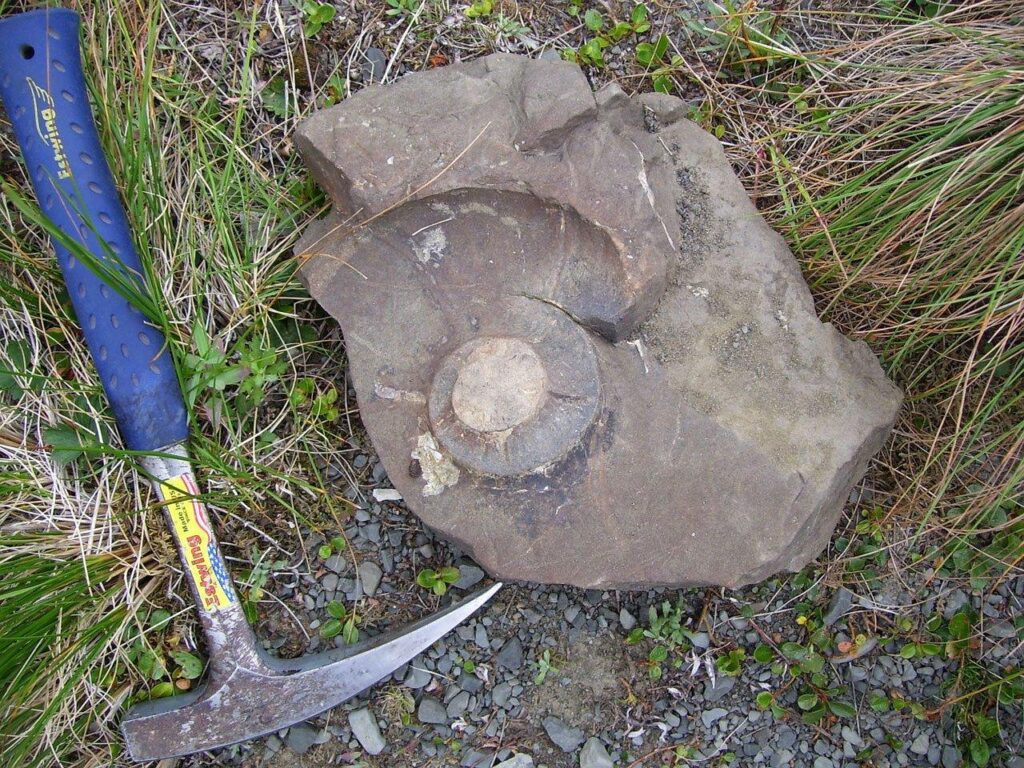
Fossil collecting is the hobby of finding, identifying, and preserving fossils from ancient plants and animals. Fossils are the preserved remains or traces of organisms that lived long ago. Many people enjoy fossil collecting because it connects them with the history of life on Earth.
What Is Fossil Collecting?
Fossil collecting involves searching for and gathering fossils that formed in rock layers over millions of years.
Fossils can include:
• shells
• bones
• plant impressions
• teeth
• footprints or tracks
Some fossils are found by exploring natural rock formations, while others are purchased from collectors, museums, or mineral shops.
Many collectors enjoy learning about prehistoric life while building their collections.
Who Is This Hobby Good For?
Fossil collecting appeals to many different people.
It is especially good for:
• people interested in prehistoric life
• nature enthusiasts
• collectors of natural objects
• hobbyists interested in geology
• people who enjoy outdoor exploration
Many fossil collectors enjoy learning about ancient ecosystems.
Hobby Difficulty Scale
⭐⭐ Moderate
Basic fossil collecting is accessible to beginners, but identifying fossils and locating good sites takes experience.
What Do You Need to Get Started?
Fossil collecting can begin with only a few simple supplies.
Most beginners start with:
• basic fossil specimens
• storage containers
• reference guides or identification books
Some collectors later use tools for field collecting.
Tools & Materials
Tools
• small rock hammer
• hand lens or magnifying glass
• small brush for cleaning
Materials
• fossil specimens
• storage boxes or display cases
• labels for identification
Careful labeling helps preserve information about where fossils were found.
How Much Does It Cost to Start?
Fossil collecting can be relatively affordable.
Typical beginner costs:
Low cost: $10–$30 for simple fossil specimens
Moderate: $30–$100 for larger or more detailed fossils
Collectors often expand their collections gradually.
How Long Does It Take to Learn?
Learning the basics of fossil collecting can happen quickly.
Basic fossil types: a few hours to learn
Developing identification skills: months or years of experience
Many collectors continue learning throughout their hobby.
Common Beginner Mistakes
Some common beginner mistakes include:
• not recording where fossils were found
• cleaning fossils too aggressively
• confusing rocks with fossils
• buying poorly identified specimens
Careful observation helps collectors avoid these mistakes.
Are There Safety Concerns?
Fossil collecting is generally safe, but outdoor collecting requires caution.
Important considerations include:
• following local collecting laws
• wearing protective gear when using tools
• being careful when working near rock formations
Responsible collecting helps protect natural sites.
What Is the Best Setting for This Hobby?
Fossil collecting can happen in many environments.
Common locations include:
• exposed rock layers
• riverbanks and cliffs
• fossil parks or quarries
• museums and fossil shops
Many collectors enjoy both outdoor exploration and home displays.
How Old Should You Be?
Fossil collecting can be enjoyed by many ages.
Children: simple fossil kits and small specimens
Teenagers: field collecting and fossil identification
Adults: advanced collecting and research
Many people develop an interest in fossils at a young age.
What Is the History of Fossil Collecting?
People have studied fossils for centuries to understand ancient life. Early scientists used fossils to learn about extinct species and the history of the Earth.
Today fossil collecting remains both a scientific field and a popular hobby.
Why People Love Fossil Collecting
People enjoy fossil collecting for many reasons.
• discovering ancient life
• learning about prehistoric animals and plants
• outdoor exploration
• building unique collections
Many collectors enjoy the excitement of finding fossils in nature.
Tips for Beginners
• start with common fossils
• label specimens carefully
• learn basic fossil types
• research local collecting sites
Patience and observation help collectors find interesting fossils.
Conclusion
Fossil collecting is a fascinating hobby that connects people with the distant past. By exploring natural sites and learning about ancient life, beginners can build meaningful fossil collections.
You might enjoy: