
Intro
You may also enjoy:
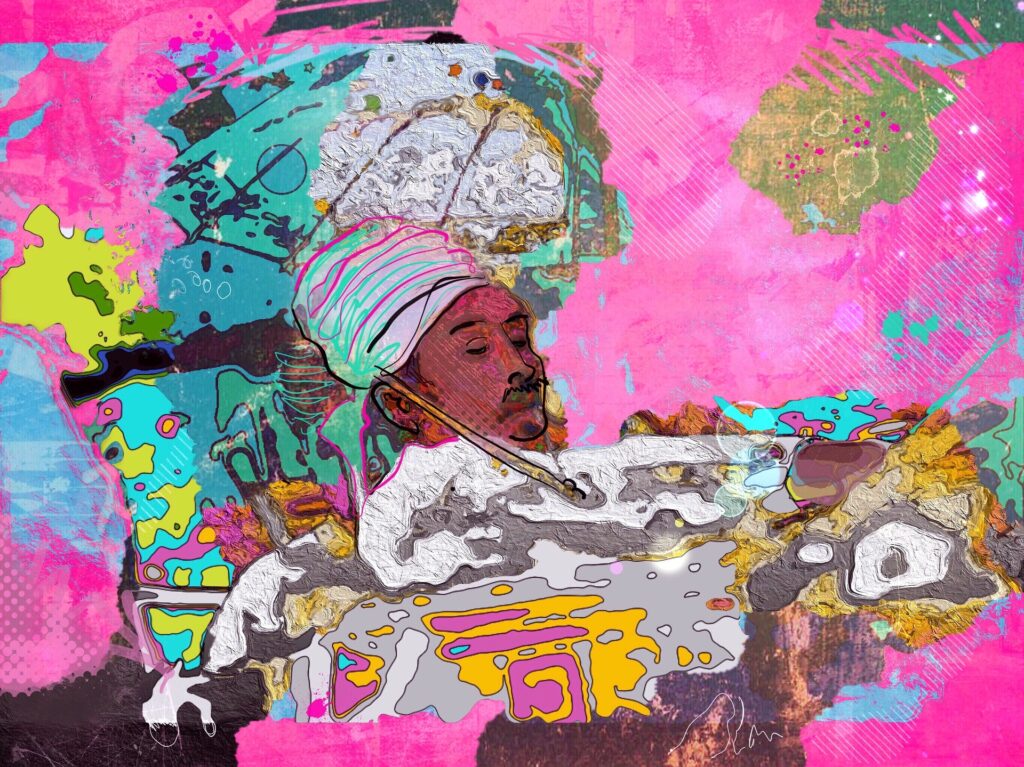
Collage art is the practice of creating artwork by combining different materials such as paper, photographs, fabric, or found objects. These pieces are arranged and glued together to form a new composition. Many people enjoy collage as a hobby because it encourages creativity and experimentation while using simple materials.
What Is Collage Art?
Collage art is an artistic technique where different materials are assembled to create a single piece of artwork.
Artists may use a variety of items, including:
• magazine images
• photographs
• decorative paper
• fabric scraps
• text clippings
• found objects
These materials are arranged on a surface and attached with glue or other adhesives. Collages can be abstract designs, storytelling pieces, or visual compositions.
Because collage allows so much freedom, no two pieces are exactly alike.
Who Is This Hobby Good For?
Collage art appeals to many creative hobbyists.
It is especially good for:
• people who enjoy visual art
• creative hobbyists who like experimenting with materials
• scrapbookers and paper crafters
• people who enjoy recycling and repurposing materials
• beginners looking for a flexible art form
Many artists enjoy collage because there are no strict rules.
Hobby Difficulty Scale
⭐ Easy
Collage is beginner-friendly and encourages experimentation.
What Do You Need to Get Started?
Beginners can start collage art with simple supplies.
Most beginners start with:
• paper or cardboard for a base
• images or paper materials
• scissors
• glue or adhesive
Many collage artists collect materials from magazines, newspapers, and packaging.
Tools & Materials
Tools
• scissors
• craft knife (optional)
• ruler (optional)
Materials
• paper or cardboard base
• magazine clippings or printed images
• decorative paper
• glue or adhesive
Some artists also include fabric, thread, or other textures.
How Much Does It Cost to Start?
Collage art can be extremely inexpensive.
Typical beginner costs:
Low cost: $5–$15
Moderate: $15–$40 for additional art supplies
Many collage materials can be recycled or reused.
How Long Does It Take to Learn?
Collage can be started immediately.
Basic collages: a few hours
Comfortable beginner: several projects
Advanced artistic techniques: develop over time
Many artists improve composition skills through practice.
Common Beginner Mistakes
Some common beginner mistakes include:
• using too many materials on one piece
• not planning the layout before gluing
• using too much glue
• overcrowding the composition
Simple layouts often create stronger visual designs.
Are There Safety Concerns?
Collage art is generally safe.
Minor concerns include:
• sharp scissors or craft knives
• glue spills
Working on a protected surface helps prevent mess.
What Is the Best Setting for This Hobby?
Collage works well in many creative spaces.
Common settings include:
• craft tables at home
• art studios
• classrooms or workshops
A flat workspace helps with arranging materials.
How Old Should You Be?
Collage can be enjoyed by many ages.
Children: around age 6 with supervision
Teenagers: often explore collage in art classes
Adults: suitable for all ages
Many people first learn collage in school art projects.
What Is the History of Collage Art?
Collage became popular in modern art during the early 20th century. Artists began incorporating everyday materials such as newspaper and photographs into their work.
The technique became an important part of many artistic movements, including modern and contemporary art.
Today collage is widely used by artists, designers, and hobbyists.
Why People Love Collage Art
People enjoy collage for many reasons.
• creative experimentation
• using recycled materials
• expressive visual storytelling
• freedom from strict rules
Many artists enjoy the process of combining unexpected materials.
Tips for Beginners
• collect interesting paper materials
• experiment with different layouts
• glue pieces carefully
• start with simple designs
Creativity and experimentation are key to collage art.
Conclusion
Collage art is a creative hobby that combines different materials to create unique visual designs. With simple supplies and imagination, anyone can begin exploring this flexible and expressive art form.
You might enjoy: