
Intro
You may also enjoy:
Yarn spinning is the process of twisting fibers together to create yarn. It is one of the oldest textile crafts in human history and was once an essential household skill. Today many people enjoy spinning yarn as a relaxing and creative hobby that connects them to traditional textile techniques.
What Is Yarn Spinning?
Yarn spinning is the process of turning loose fibers into yarn by twisting them together.
Fibers such as wool, cotton, flax, or other natural materials are stretched and twisted to create a continuous strand. The twist holds the fibers together and forms yarn that can be used for knitting, weaving, or crochet.
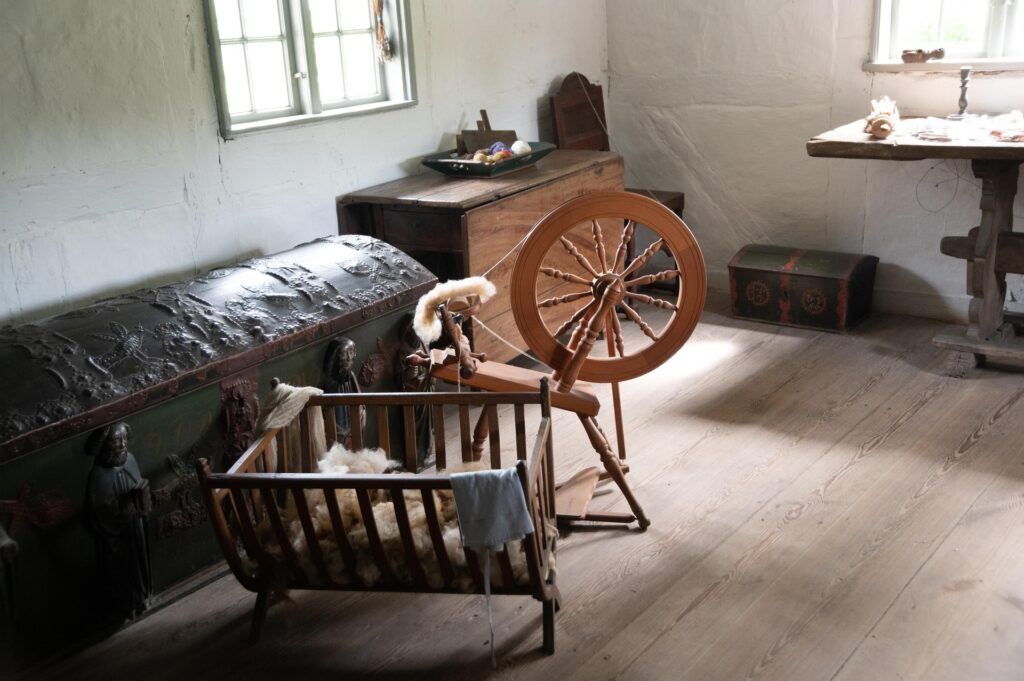
Spinning can be done using simple tools like a drop spindle or larger tools such as a spinning wheel.
Many hobbyists enjoy experimenting with different fibers, textures, and colors to create unique handmade yarn.
Who Is This Hobby Good For?
Spinning yarn appeals to many different types of hobbyists.
It is especially good for:
• people who enjoy fiber arts
• knitters, crocheters, or weavers who want to make their own yarn
• hobbyists interested in traditional crafts
• people who enjoy slow, relaxing processes
• creative makers who enjoy working with natural materials
Many spinners find the motion of spinning very calming.
Hobby Difficulty Scale
⭐⭐⭐ Advanced
The basic idea of spinning is simple, but learning to control fiber drafting and twist takes practice.
What Do You Need to Get Started?
Beginners need only a few supplies.
Most people start with:
• spinning fiber (such as wool roving)
• a drop spindle or spinning wheel
• scissors
Many beginners learn with a drop spindle because it is simple and inexpensive.
Tools & Materials
Tools
• drop spindle or spinning wheel
• scissors
• fiber preparation tools (optional)
Materials
• raw fiber or prepared fiber (roving)
• natural or synthetic spinning fibers
Different fibers produce yarn with different textures and strengths.
How Much Does It Cost to Start?
Spinning yarn can vary widely in cost depending on tools.
Typical beginner costs:
Low cost: $15–$40 using a drop spindle
Moderate: $200 or more for a spinning wheel
Many beginners start with a spindle before investing in larger equipment.
How Long Does It Take to Learn?
Spinning takes some practice to master.
Basic spinning: a few days of practice
Comfortable beginner: several weeks
Advanced spinning: months or years
With practice, spinners develop better control over yarn thickness and consistency.
Common Beginner Mistakes
Some common beginner mistakes include:
• twisting the fiber too tightly
• pulling too much fiber at once
• uneven yarn thickness
• stopping the spindle too often
Practicing slowly helps beginners develop rhythm and control.
Are There Safety Concerns?
Spinning yarn is generally a safe hobby.
Minor concerns include:
• repetitive hand movements
• tripping hazards with spinning wheels
Working comfortably and taking breaks helps prevent fatigue.
What Is the Best Setting for This Hobby?
Spinning is usually done in a comfortable seated space.
Common settings include:
• craft rooms
• fiber arts groups
• workshops or classes
• relaxing at home
Spinning wheels require more space, while drop spindles are very portable.
How Old Should You Be?
Spinning yarn can be learned by many ages.
Children: around age 10 with supervision
Teenagers: can learn independently
Adults: suitable for all ages
Many people learn spinning through fiber arts groups or craft classes.
What Is the History of Yarn Spinning?
Spinning fiber into yarn is one of the oldest human technologies. For thousands of years, people spun fibers by hand to produce yarn for clothing and textiles.
Spinning wheels later made the process faster and more efficient. Before modern textile factories existed, spinning was a common household activity.
Today spinning has returned as a craft hobby that connects people to historical textile traditions.
Why People Love Yarn Spinning
People enjoy spinning for many reasons.
• relaxing rhythmic motion
• creative control over yarn texture
• connection to traditional crafts
• ability to make custom yarn
Many fiber artists enjoy using their handspun yarn in knitting or weaving projects.
Tips for Beginners
• start with a drop spindle
• use prepared fiber designed for spinning
• practice drafting small amounts of fiber
• spin slowly while learning
With patience and practice, spinning becomes smoother and more consistent.
Conclusion
Yarn spinning is a traditional fiber art that transforms loose fibers into usable yarn. With simple tools and practice, beginners can learn this historic craft and create their own handmade yarn.
You might enjoy: